Commerce / Field note
Prepare the catalogue before connecting an AI tool
Identifiers, sources, missing values and review samples: the unglamorous foundations that make catalogue assistance useful.
An AI catalogue tool inherits the quality of the information it receives. A polished interface cannot resolve two products sharing an identifier, a stock value with no timestamp or a description copied from the wrong variant. Before designing the assistant, spend time making the records understandable without it.
The preparation does not need to become a large data project. Start with the fields the proposed workflow actually needs and a small sample that represents the awkward parts of the range.
Give every record a stable identity
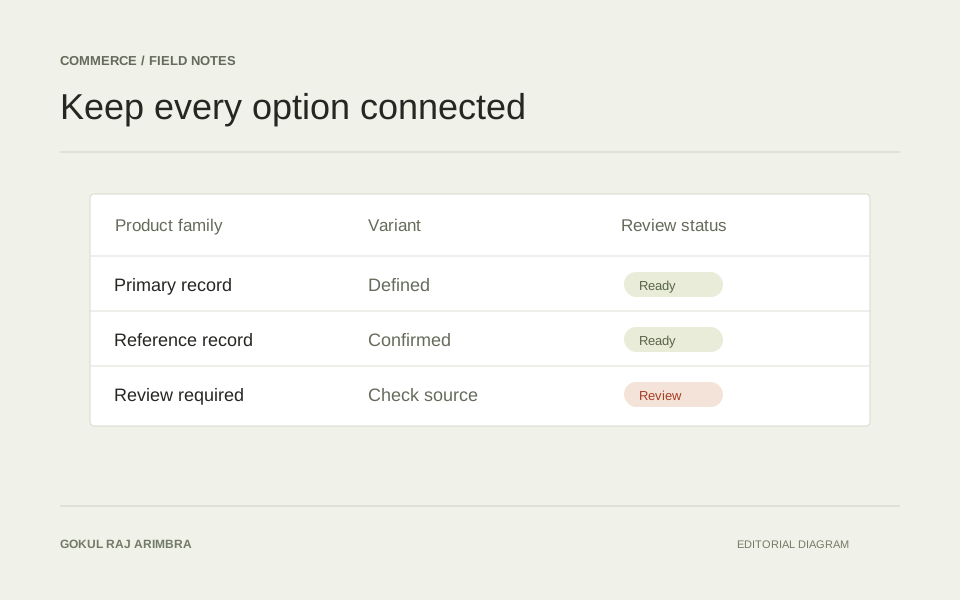
Separate the identity of a sellable item from the family it belongs to. A product family might contain several colours and capacities, while stock and images relate to one specific combination. A tool needs to know whether it is reviewing the family, the variant or a particular listing.
Google's variant guidance makes the same distinction for product feeds: individual items have their own identifiers, while a shared group identifier connects variants. This is a useful reference when checking whether an exported record retains enough identity for its intended destination. Google's item group ID guidance
Keep a source beside the value
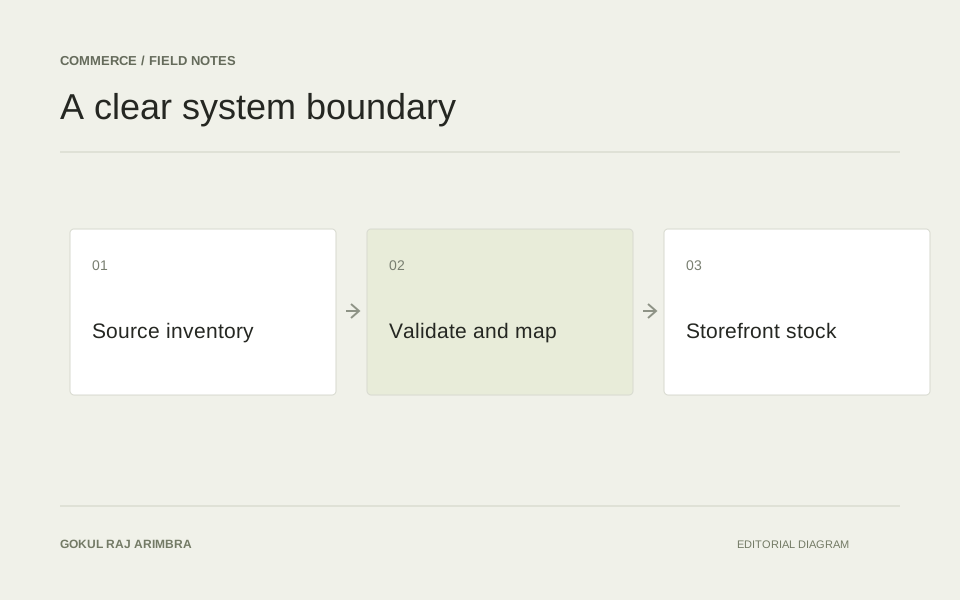
An attribute is easier to trust when someone can inspect where it came from. Keep the source record, the time it was collected and the person or process responsible for maintaining it. Those details matter when two systems disagree.
Consider a hypothetical laptop record with one storage capacity in its title and another in its specification table. The useful next step is to expose that conflict. Combining both into a fluent description would make the record look more complete while leaving the underlying problem unresolved.
Make missing information explicit
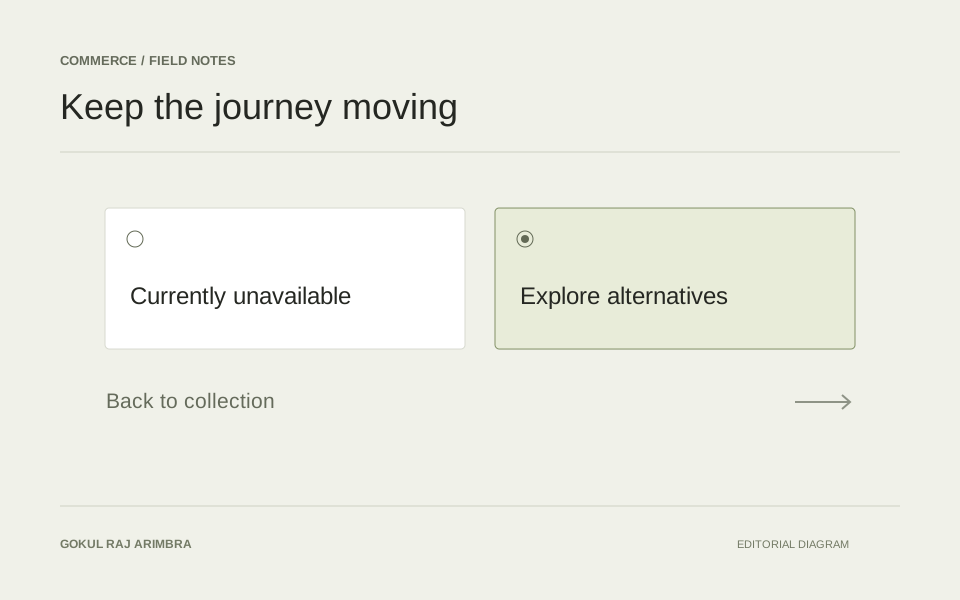
Decide what an empty field means. It may be unknown, irrelevant to this product, awaiting confirmation or deliberately withheld. Those states can lead to different next actions, so avoid collapsing them into one blank value.
For the first version, a simple note can be enough. A catalogue assistant preparing product copy should be able to say “material not supplied” and stop that claim from entering the draft. It should not infer a material from an attractive product photograph.
Use a sample that can challenge the workflow
Include more than the best-maintained products. Add a long title, an unavailable item, a product with many options, a conflicting record and an item that does not fit the usual category pattern. Agree what a useful result would look like for each.
This sample becomes a shared reference between the person building the tool and the person reviewing its output. It also prevents a good result on three tidy records from being mistaken for readiness across the whole catalogue.
Keep the first handoff deliberately small
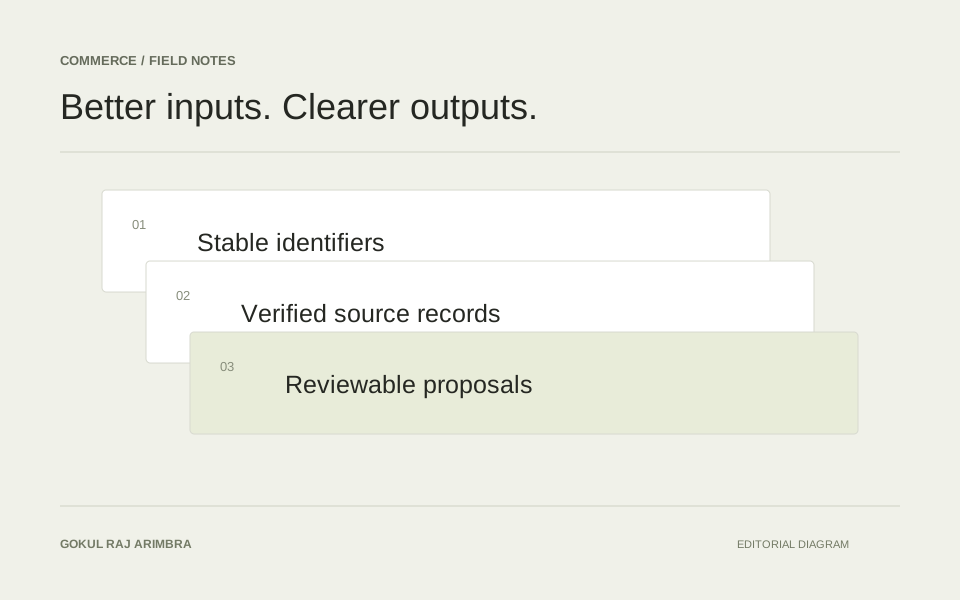
Begin with a reviewable output such as missing-field detection or draft descriptions. Keep proposed text separate from confirmed source attributes, and link every proposal back to the original item.
Once the team can consistently understand, correct and approve those results, expand the workflow. The practical benefit of preparation is not a promise of perfect answers. It is a clearer way to identify mistakes, explain decisions and improve the information that every downstream tool depends on.