The journal
Useful AI. Better commerce. A more considered web. Notes on the decisions behind the things I build.
Featured / Automation
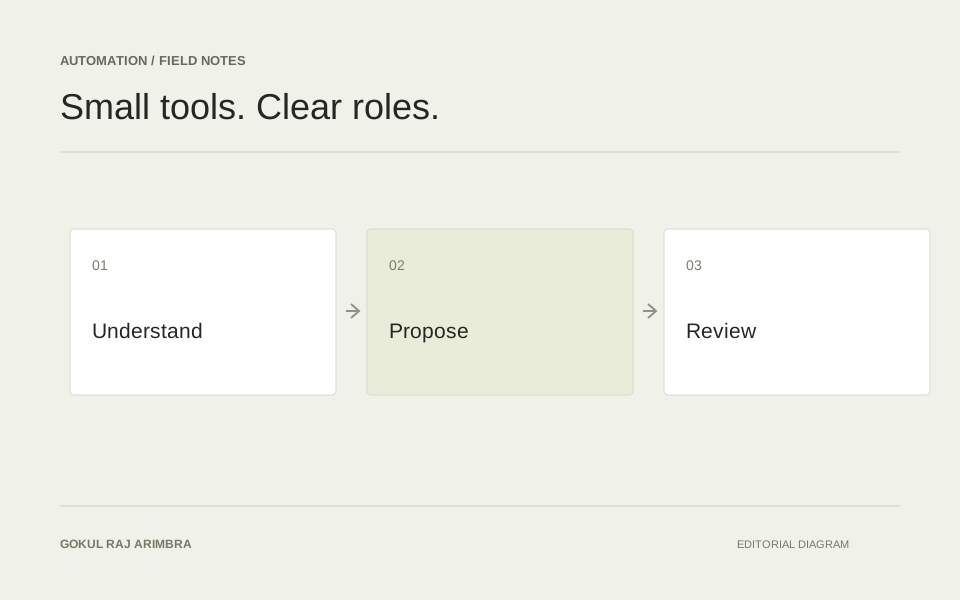
A collection of small tools can be easier to understand when each has a specific responsibility.
A note on the practice
46 articles across the practice
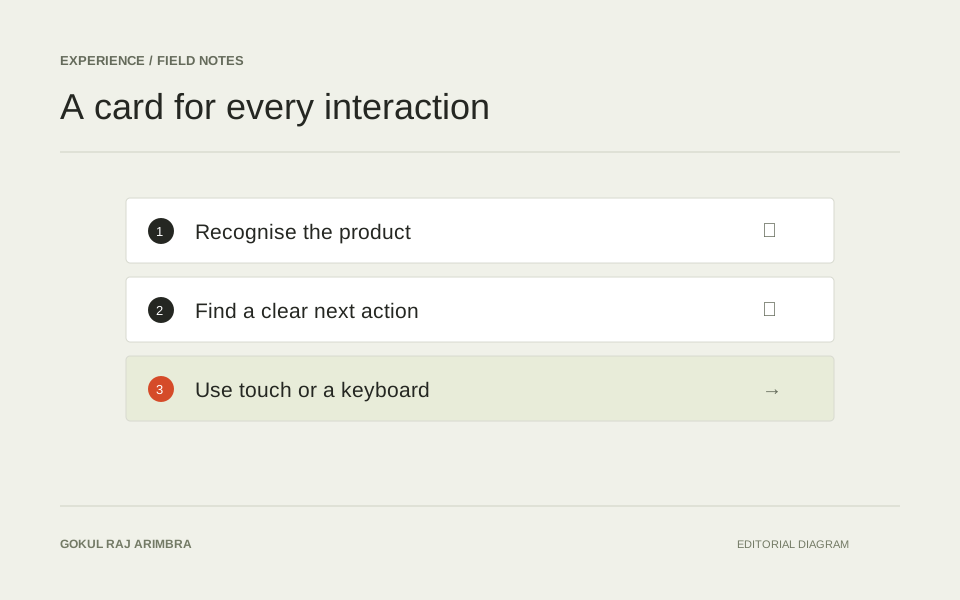
Designing useful catalogue cards across keyboard, touch, image alternatives and changing product states.
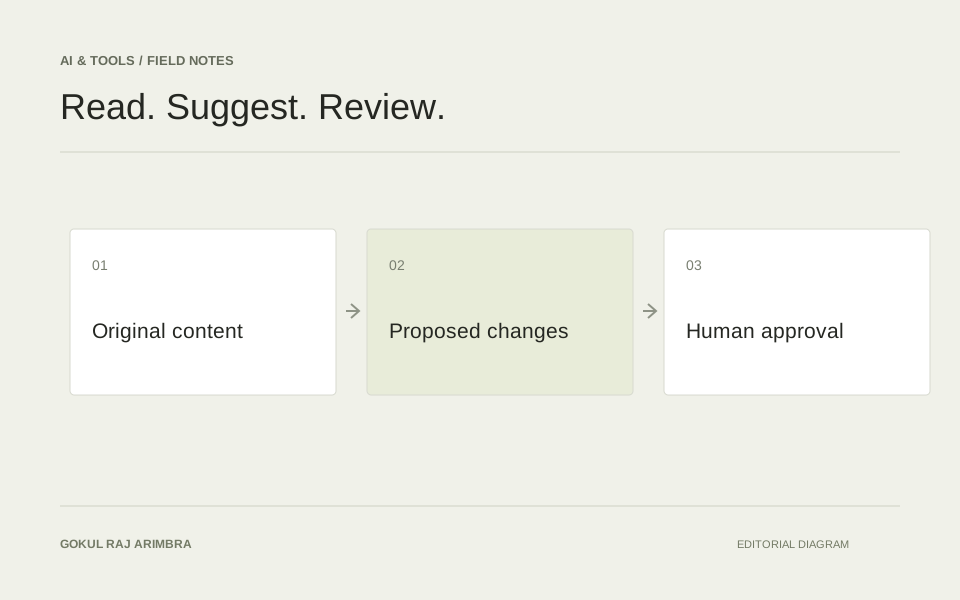
Turn a page review into a clear set of evidence-backed suggestions, with the original copy and the final decision kept visible.
Review the connection between the creative, the offer and the destination page before turning variations into an advertising test.
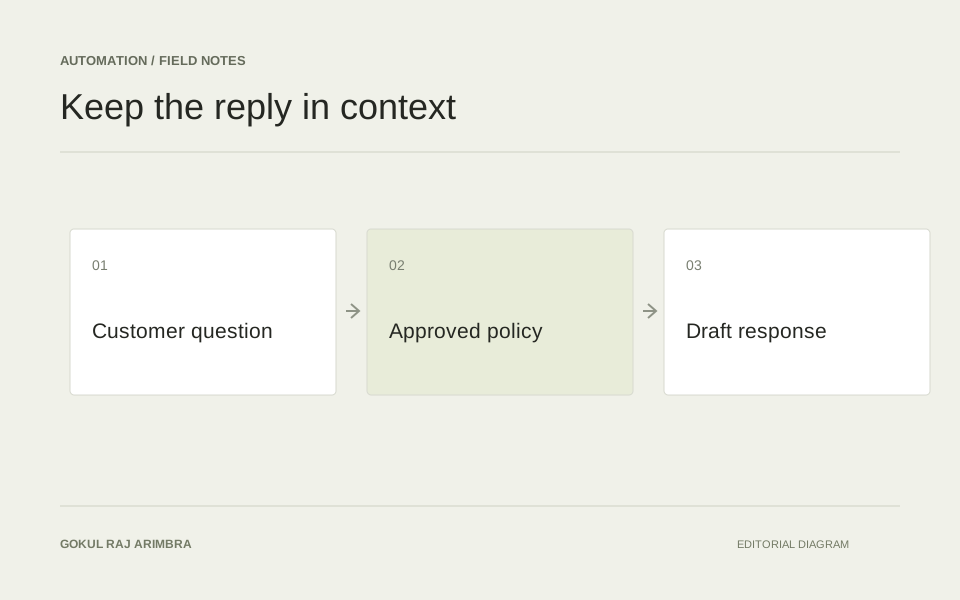
Connect the customer question, approved information and a proposed response, with clear escalation when the evidence is incomplete.
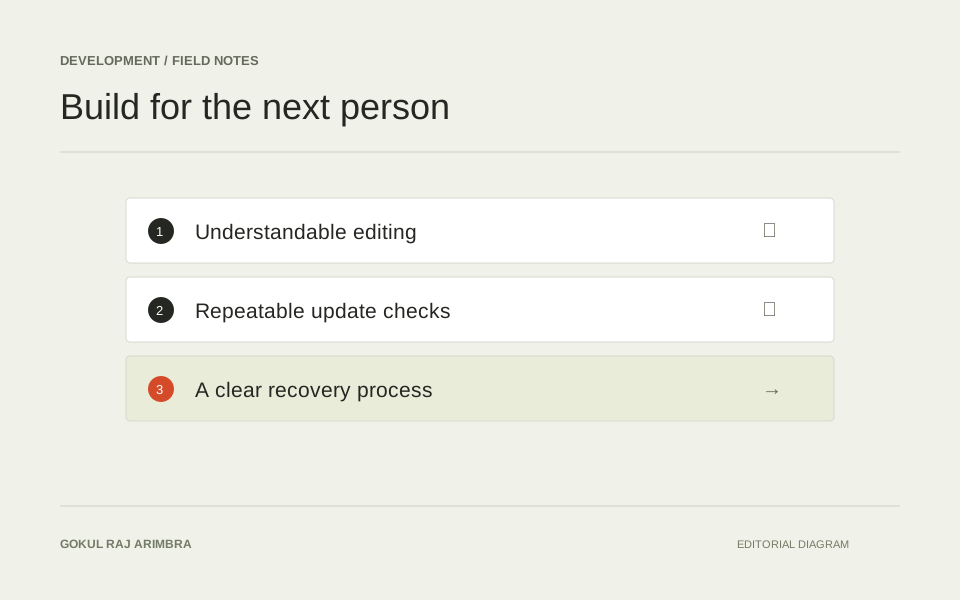
A practical handover starts with content patterns, clear ownership, tested updates and a way to recover.
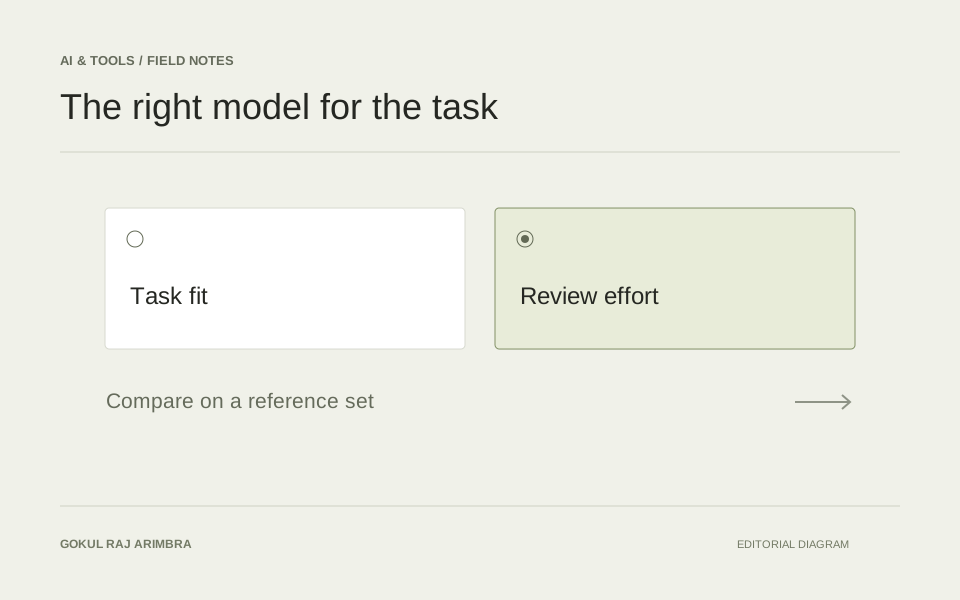
Build a practical evaluation around your own inputs, review criteria and operational constraints before comparing model configurations.
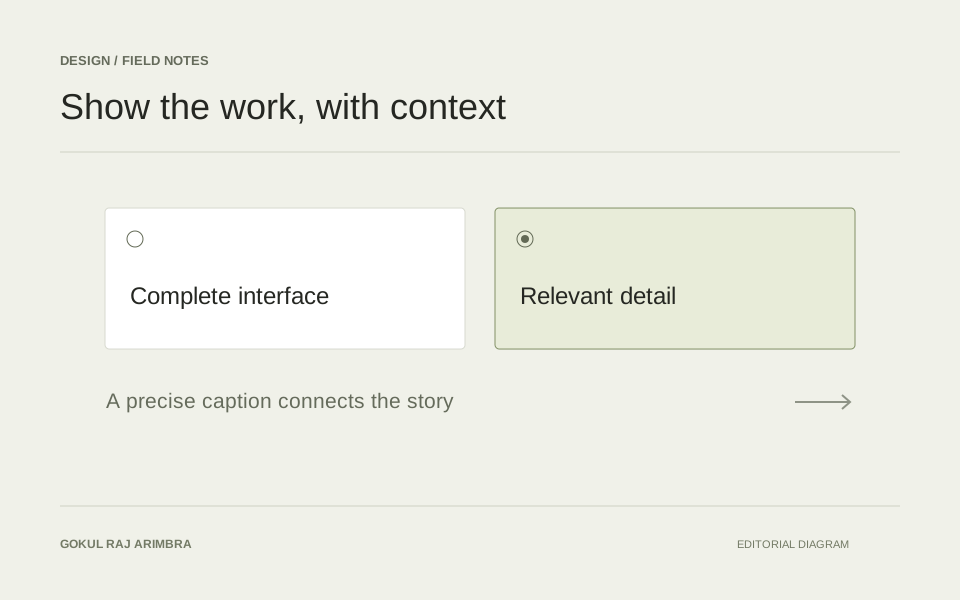
Real screenshots, complete interfaces and precise captions make a stronger project story than decorative imagery alone.
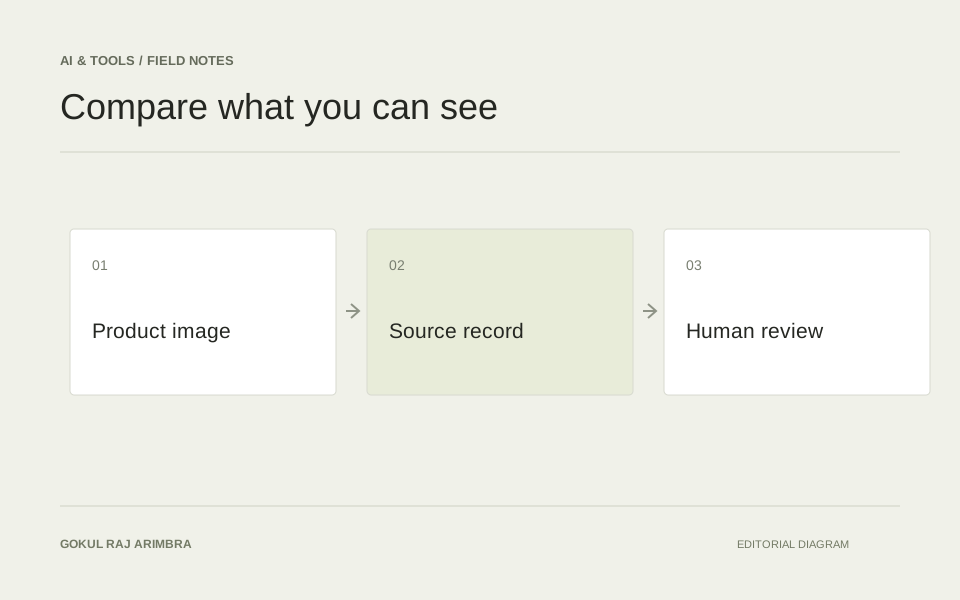
Design a review that uses images alongside product data, without mistaking a visual observation for a verified product specification.
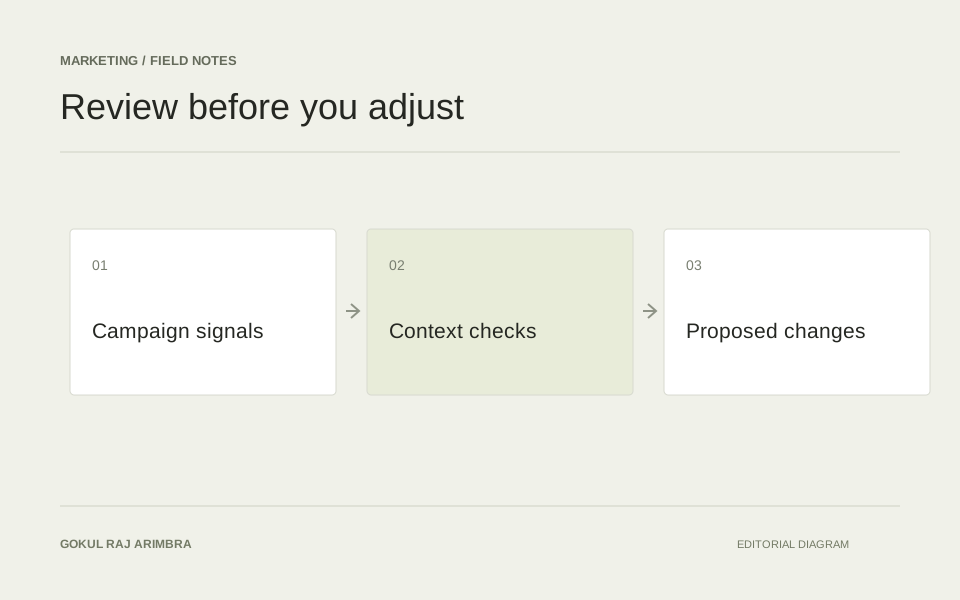
Turn a campaign export into a focused review queue, with clear context and evidence before any budget or targeting decision.
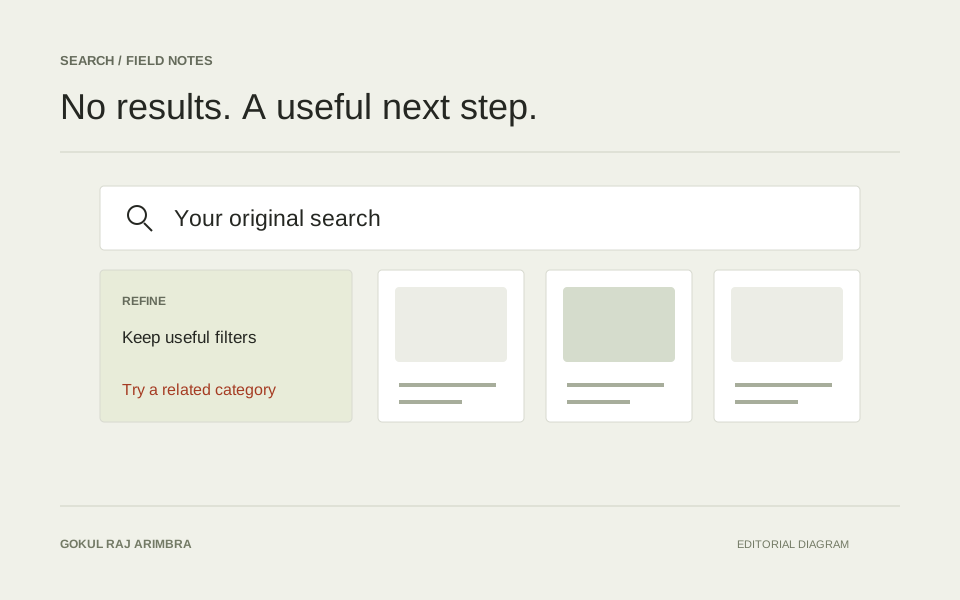
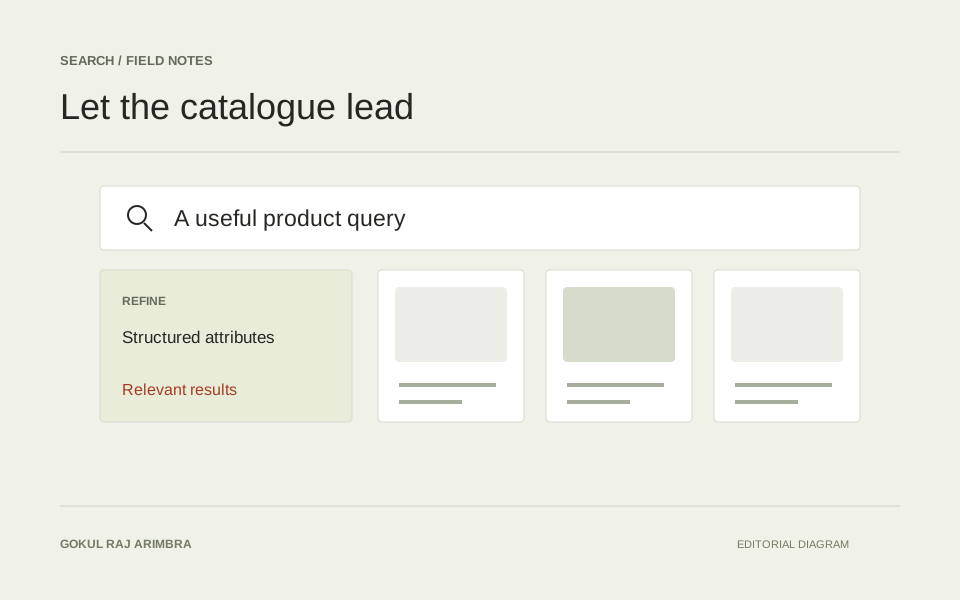
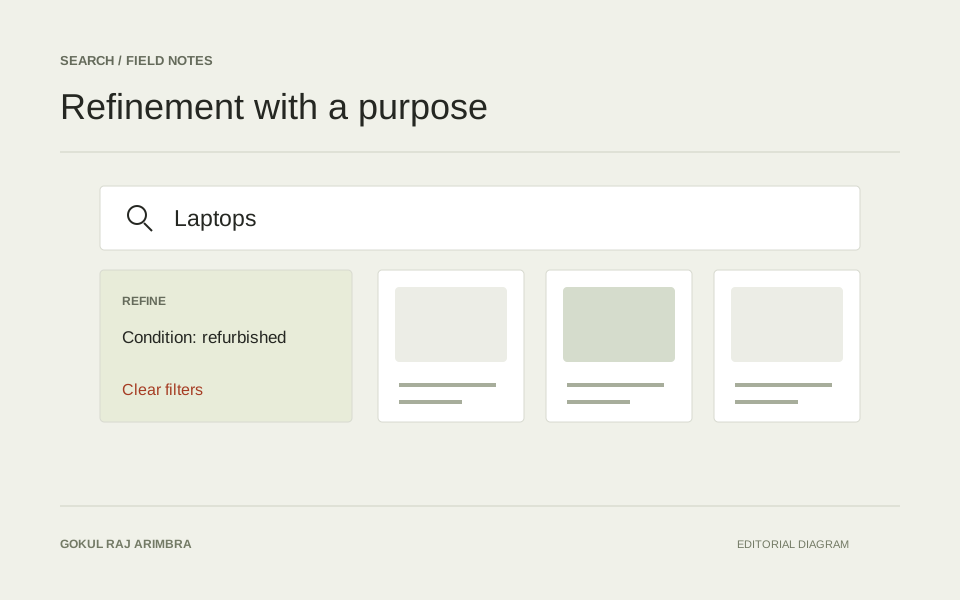
Keep the query, explain the state and offer a relevant next step when a catalogue search returns no matches.
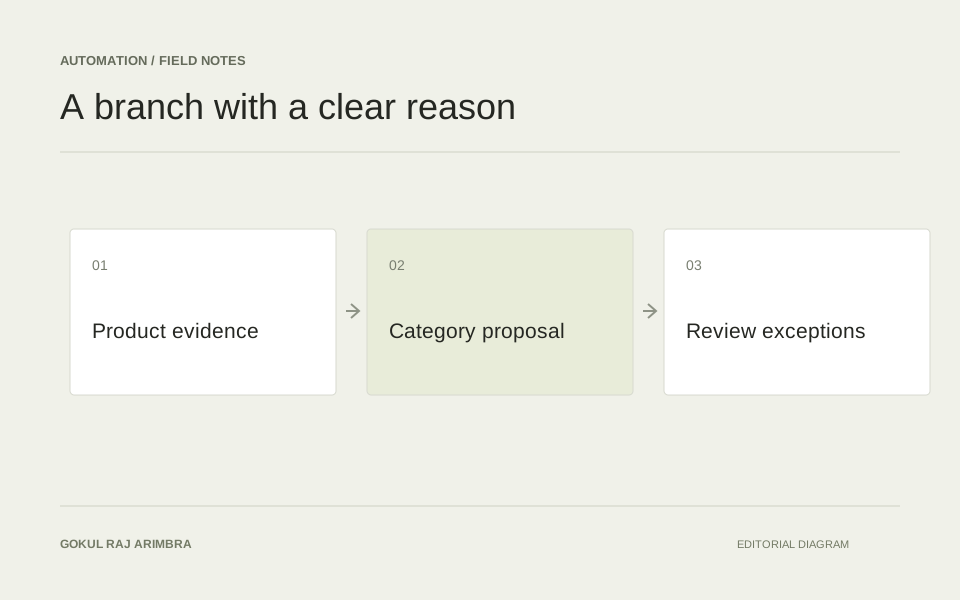
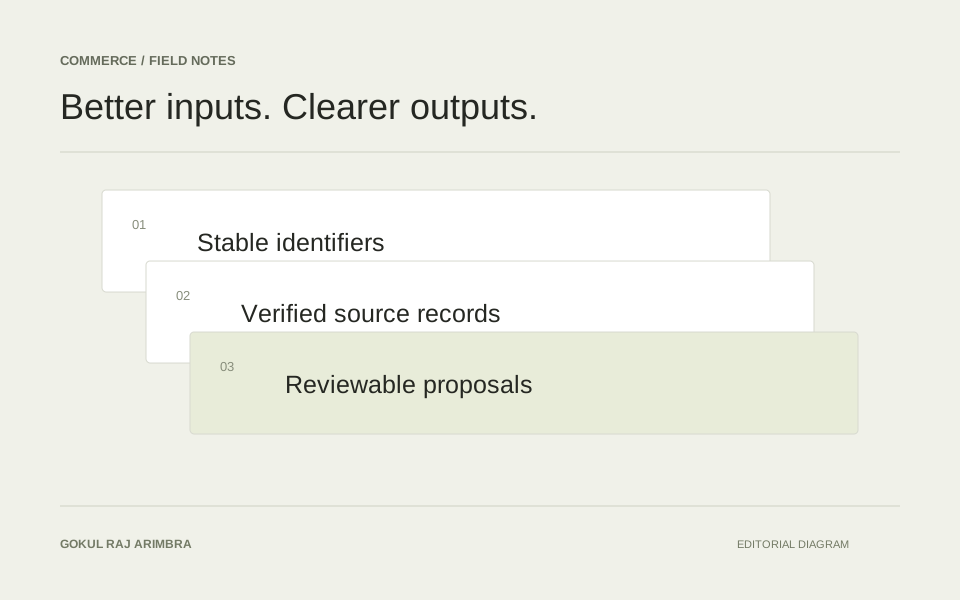
A practical way to turn a messy catalogue into reviewable category proposals, without treating a suggestion as a confirmed product fact.
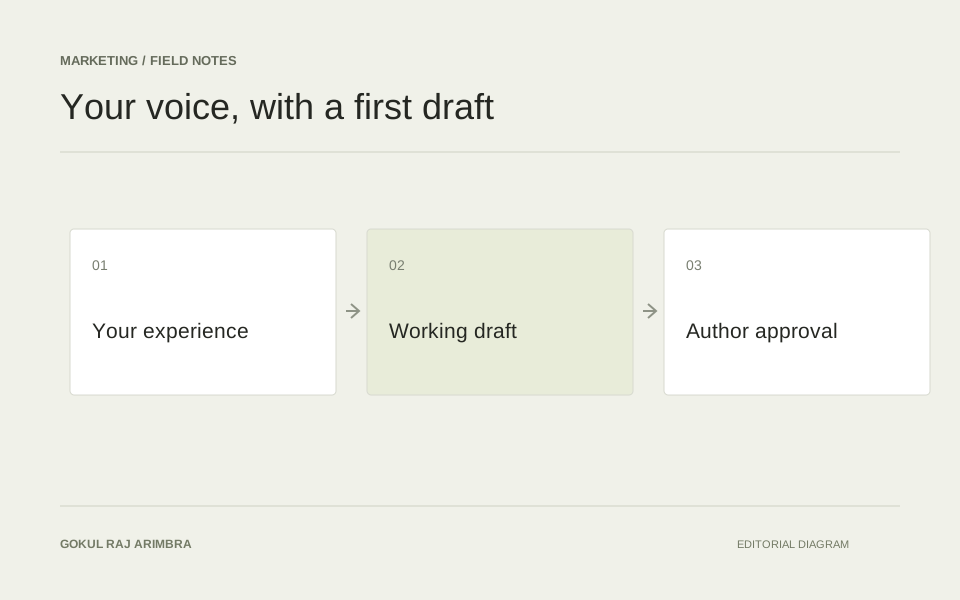
Use AI to organise real notes into a reviewable draft, while keeping experience, evidence and the final publishing decision with the author.
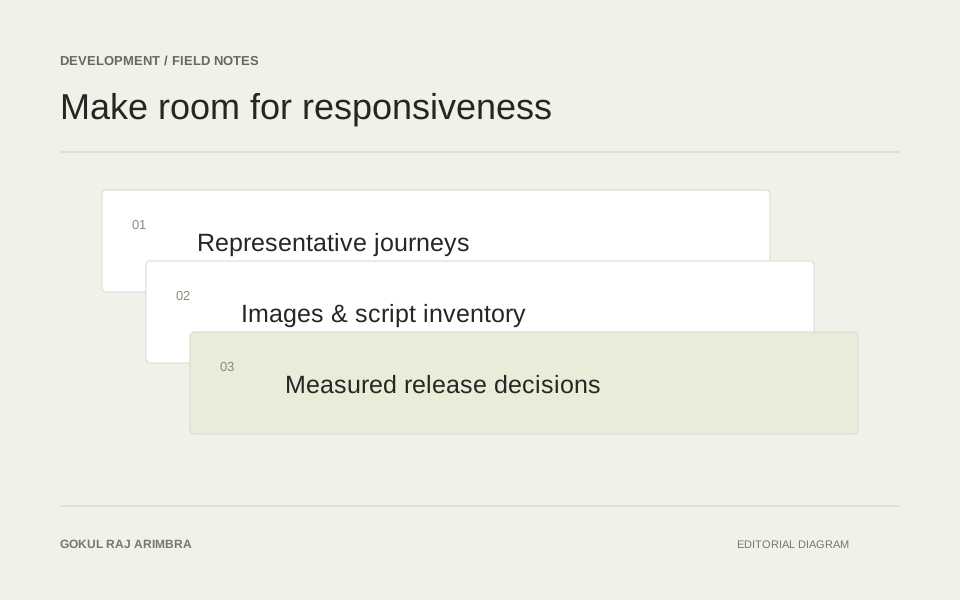
Turn performance from a final score into a practical decision about images, scripts, interaction and everyday ownership.
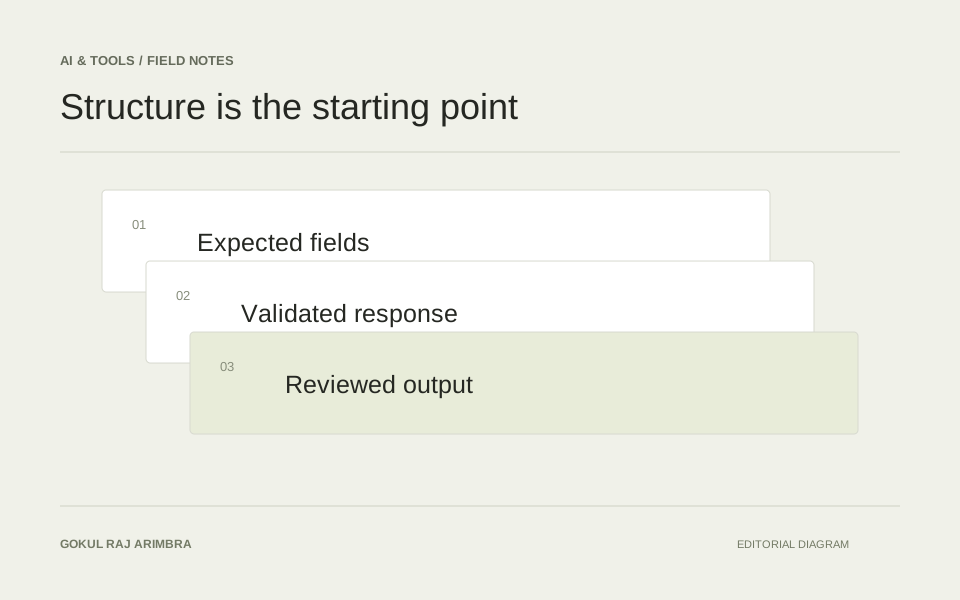
Move from a plausible response to a checked data object, with explicit fields, validation, evidence and clear recovery states.
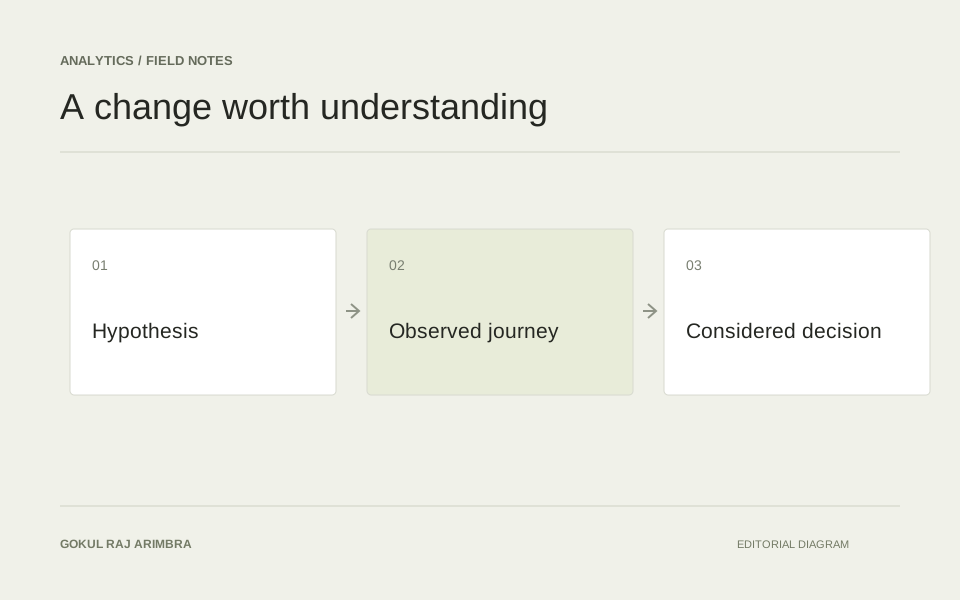
Connect the hypothesis, event definitions, journey checks and decision record before interpreting a conversion result.
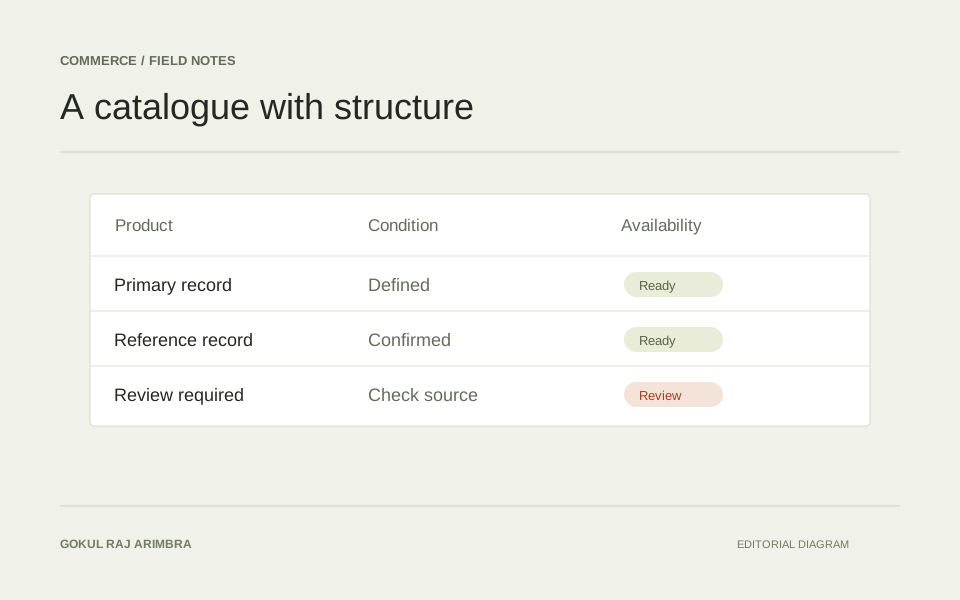
Identifiers, sources, missing values and review samples: the unglamorous foundations that make catalogue assistance useful.
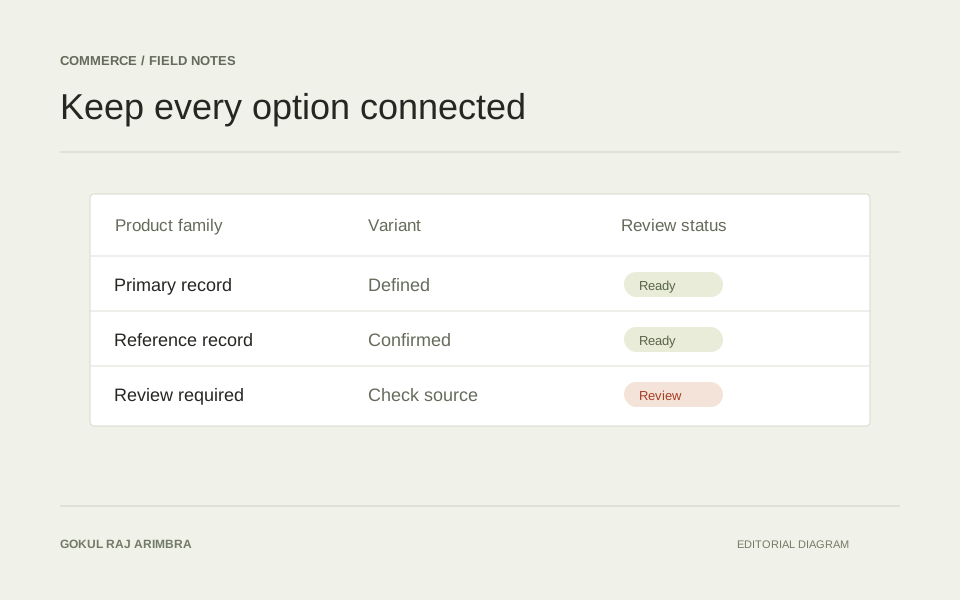
A practical agent workflow for checking option names, identifiers and image relationships without inventing missing variants.
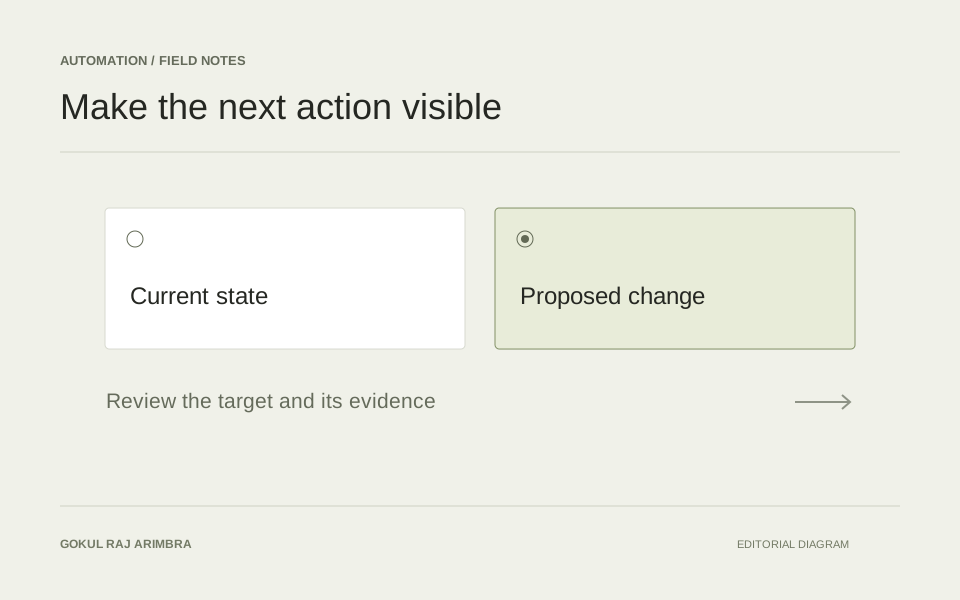
Design an action preview that makes the target, proposed change, evidence and next step easy to inspect.
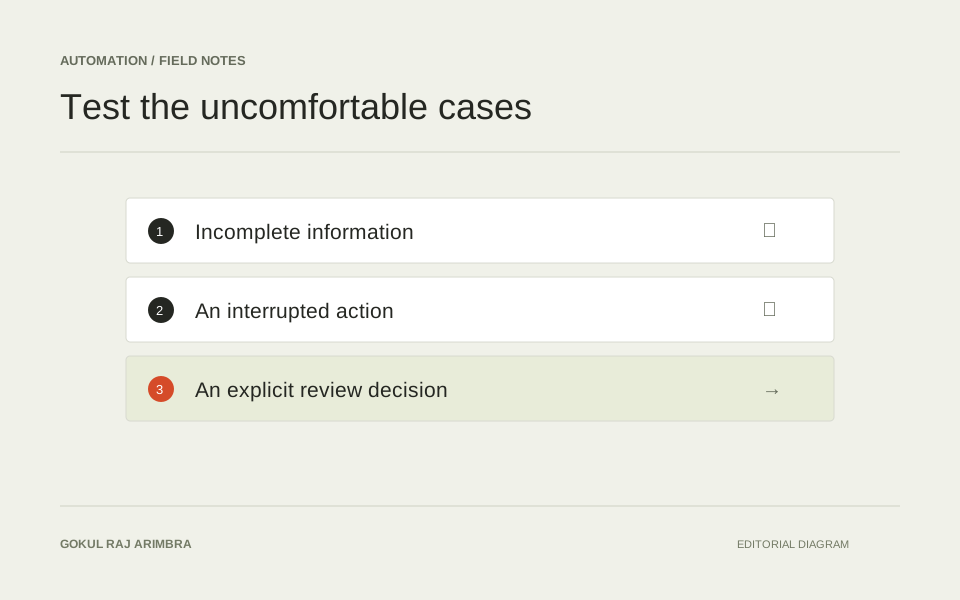
Build a small evaluation set around incomplete inputs, conflicting sources, interrupted actions and human review.
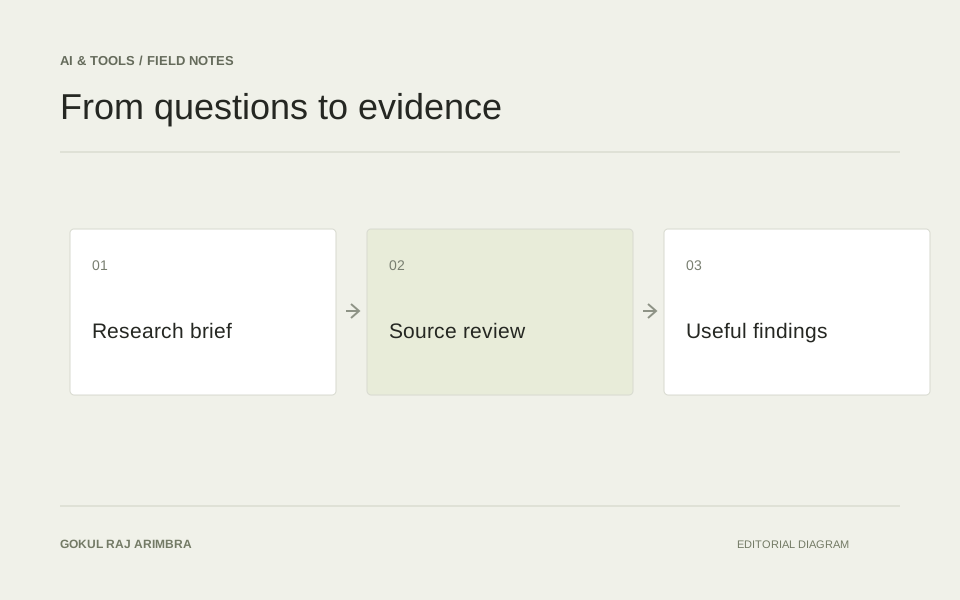
A practical way to organise product, competitor and customer research around clear questions, traceable sources and useful next steps.
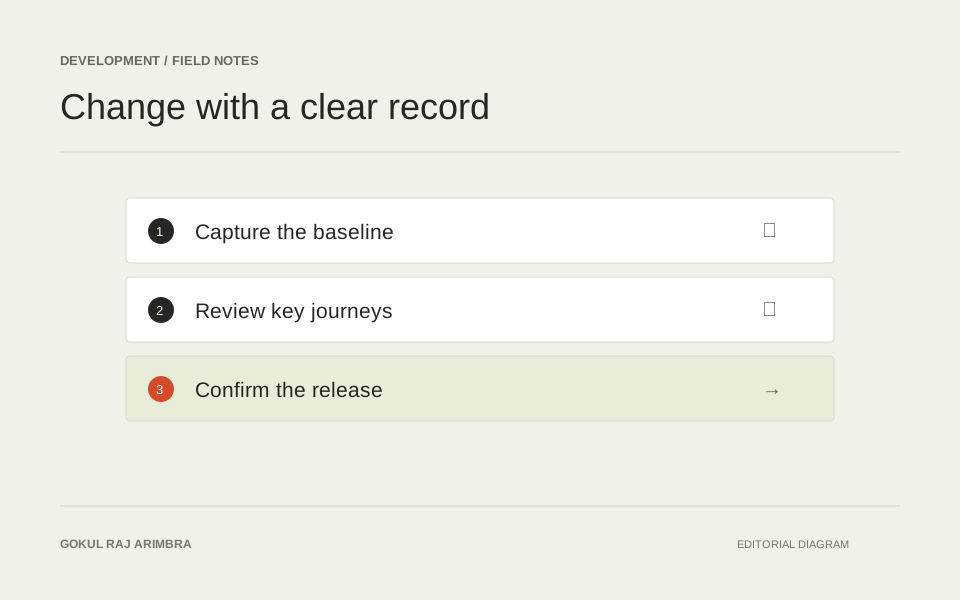
An update review needs a clear starting point.
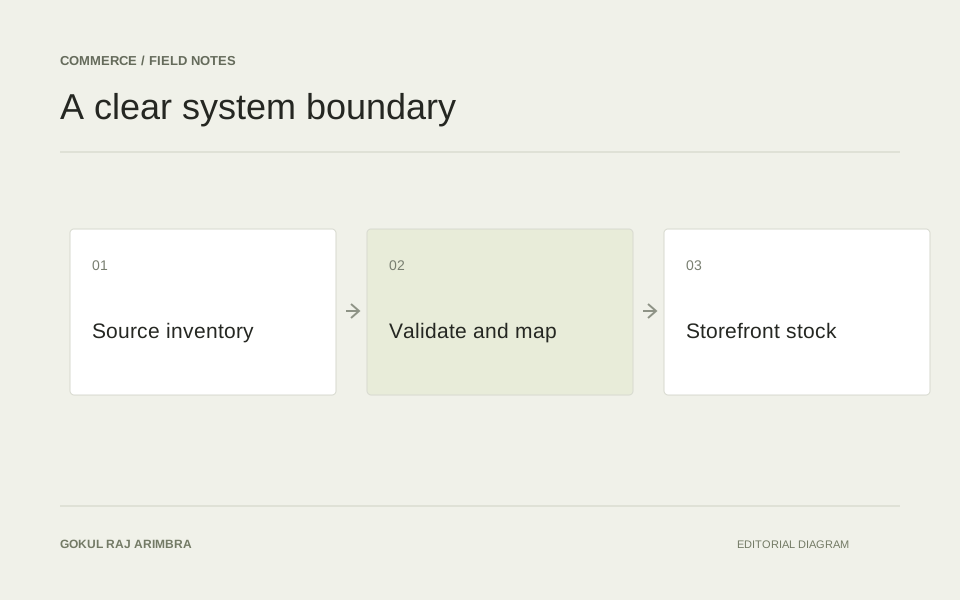
An integration joins two systems with different assumptions.
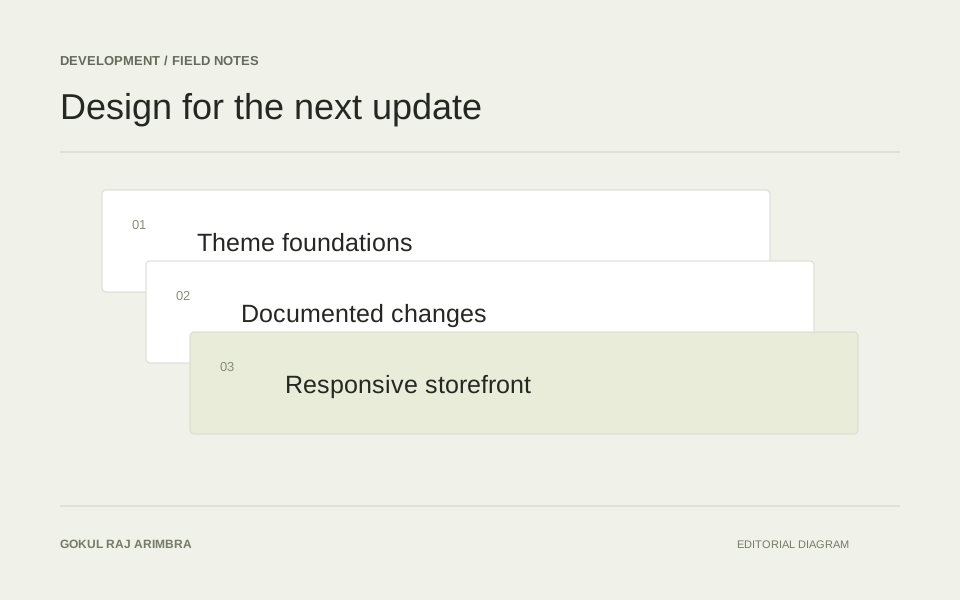
A visual redesign becomes difficult to maintain when every improvement depends on an undocumented change.
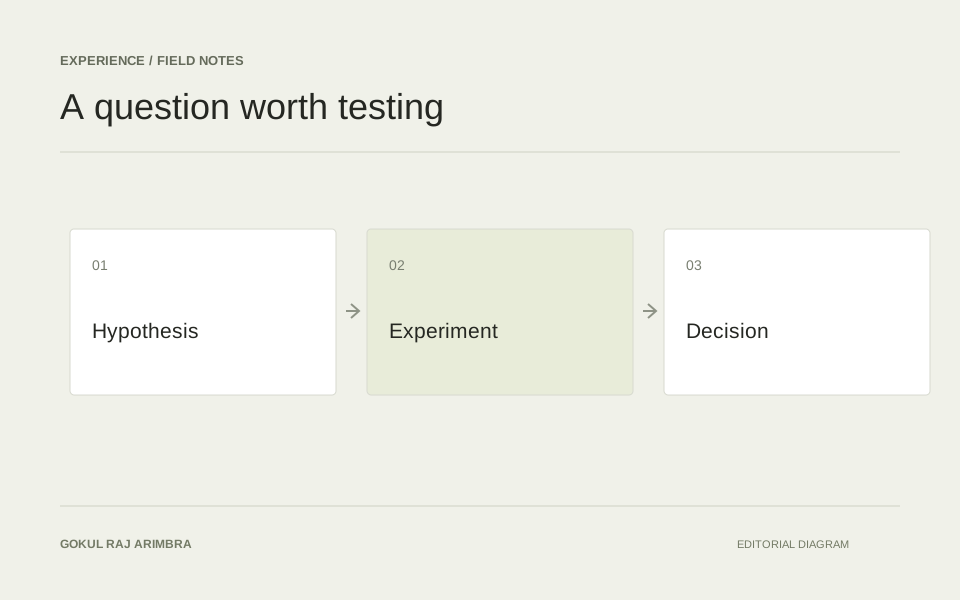
An experiment should make an uncertainty easier to understand.
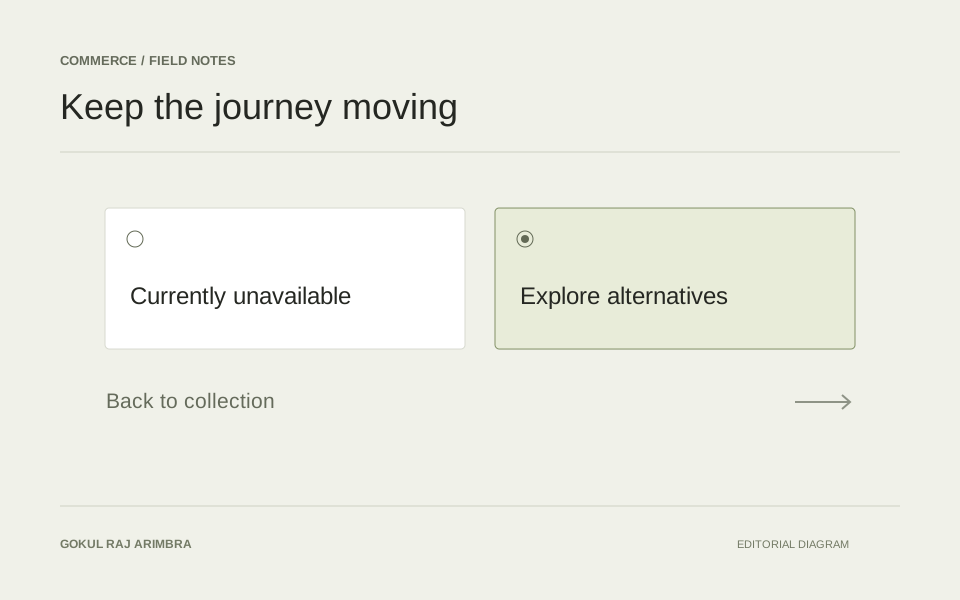
An unavailable product page still has a job to do.
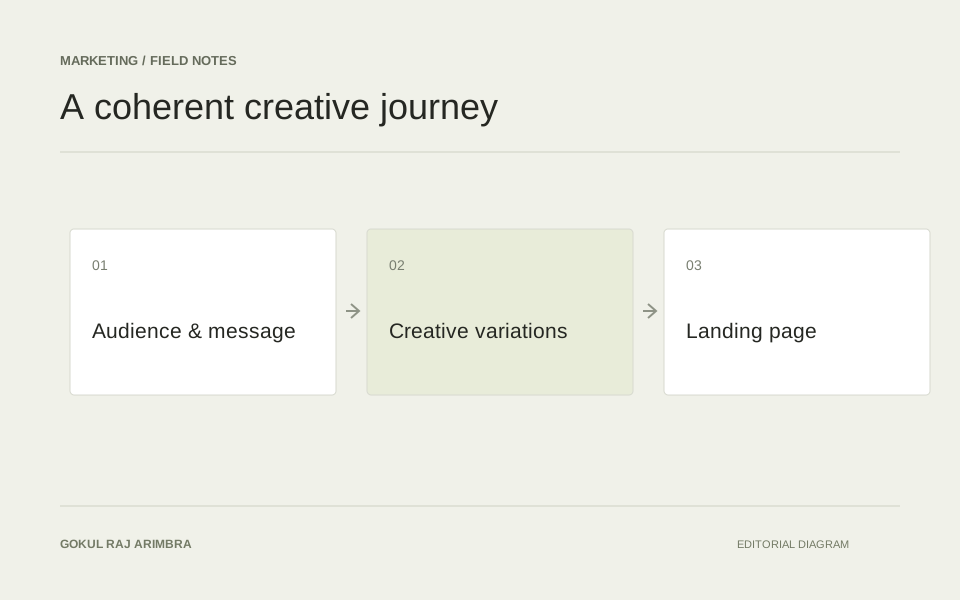
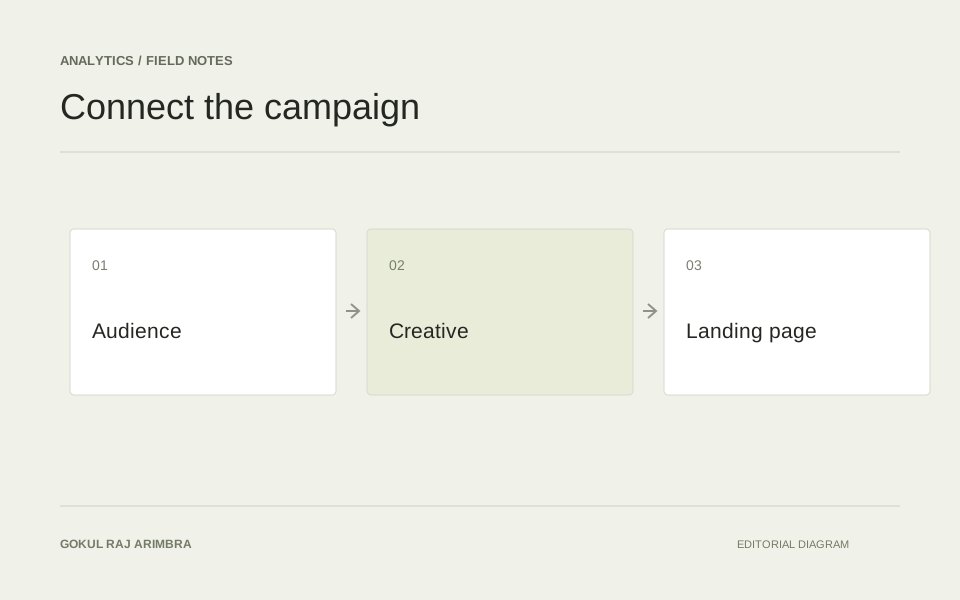
A campaign is easier to review when its creative assets, landing pages and intended audience tell a coherent story.
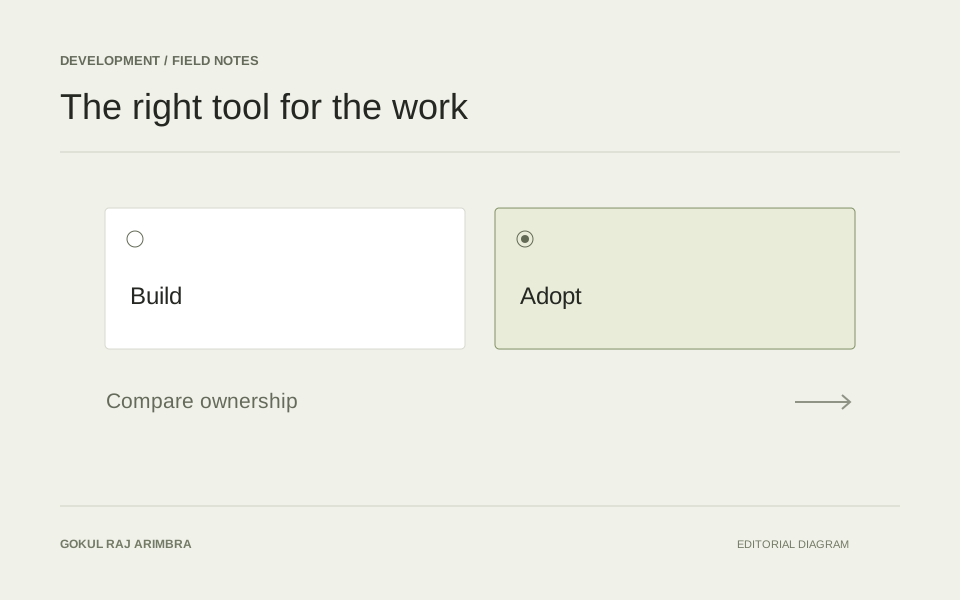
Choosing a platform starts with understanding the work it needs to support.
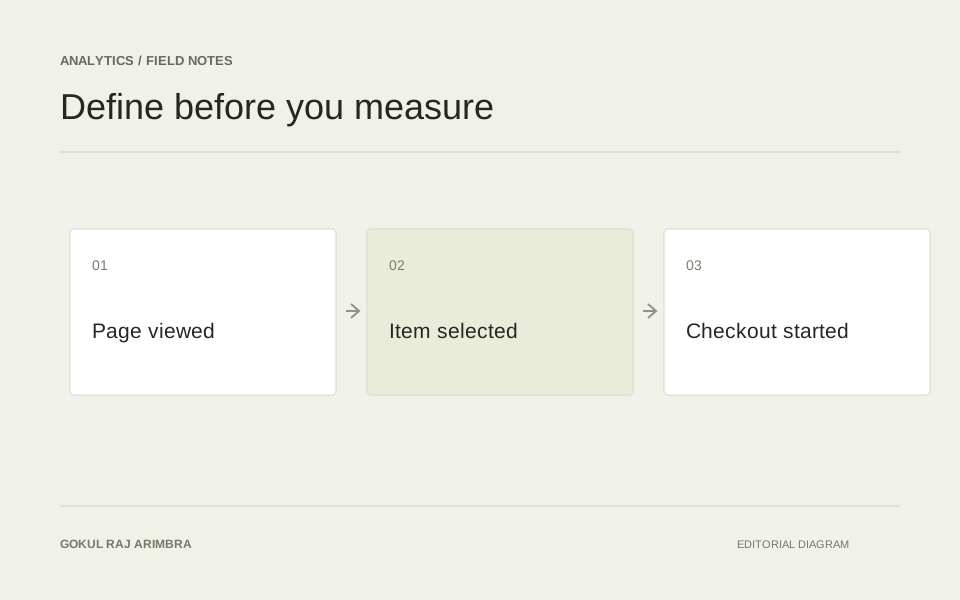
A useful measurement plan begins with language.
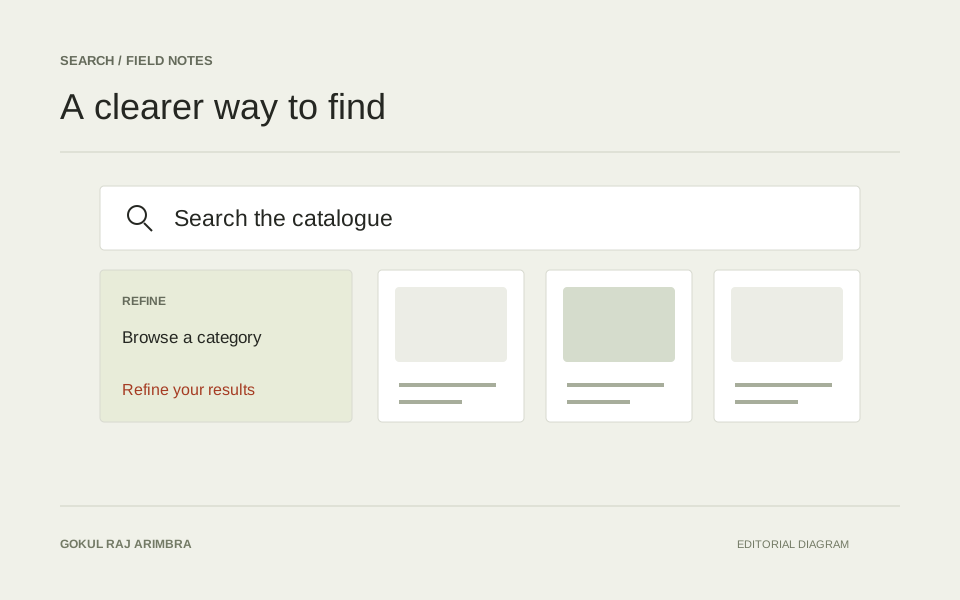
Search quality starts with a clear understanding of the products and the language people use to find them.
A filter is a promise about how the catalogue is organised.
Consistent product information makes many interface decisions simpler.
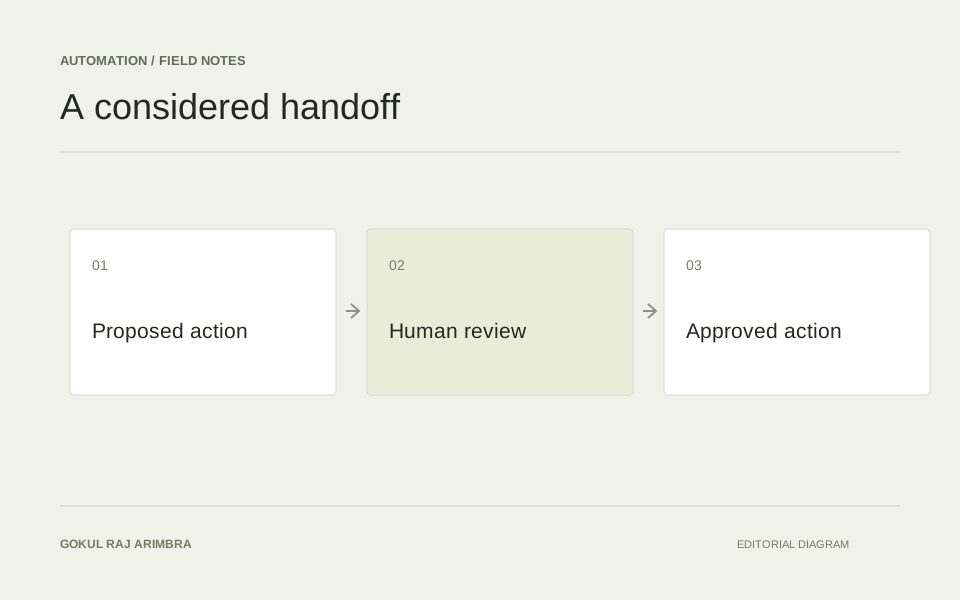
A review step is more than a button labelled Approve.
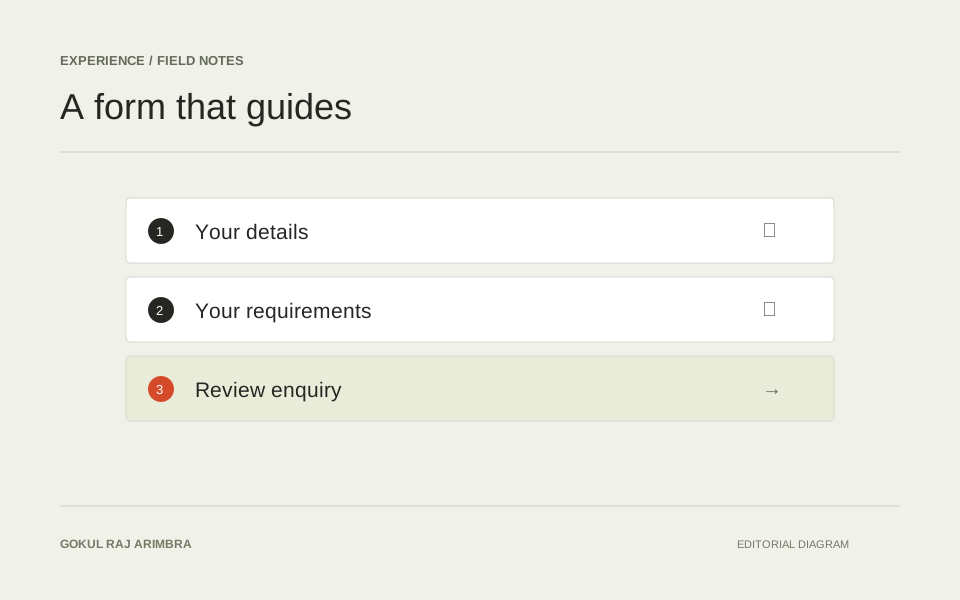
A detailed enquiry form needs to explain why it is asking questions and what happens next.
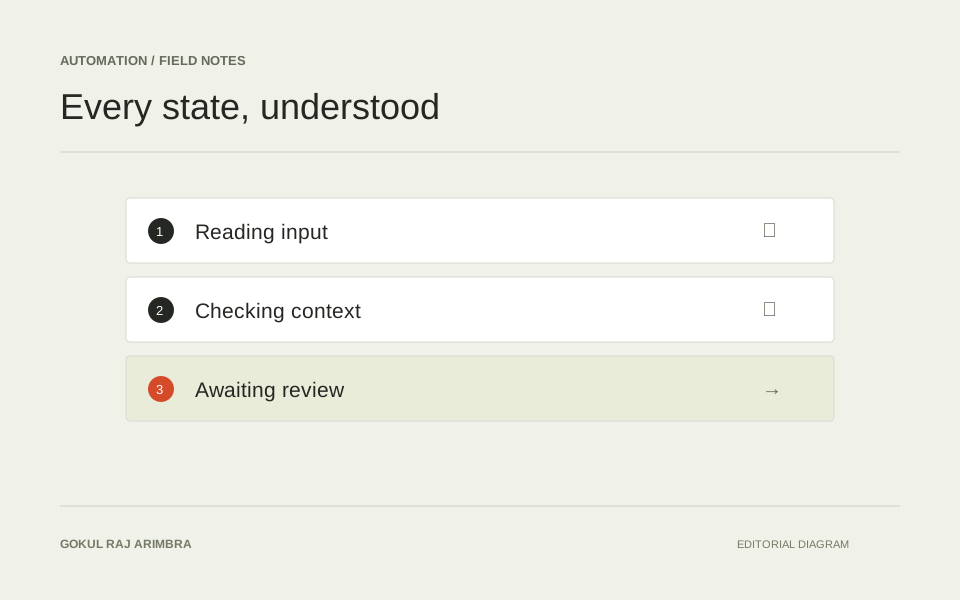
When a workflow runs without constant supervision, its status becomes part of the interface.
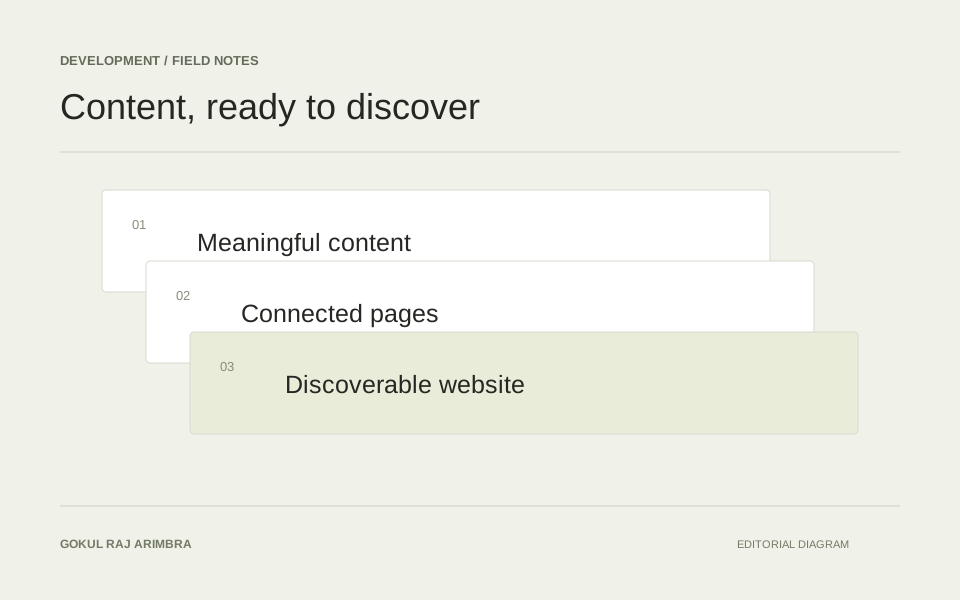
Search visibility and a useful user experience often depend on the same foundations: clear content, meaningful links and pages that communicate their purpose.
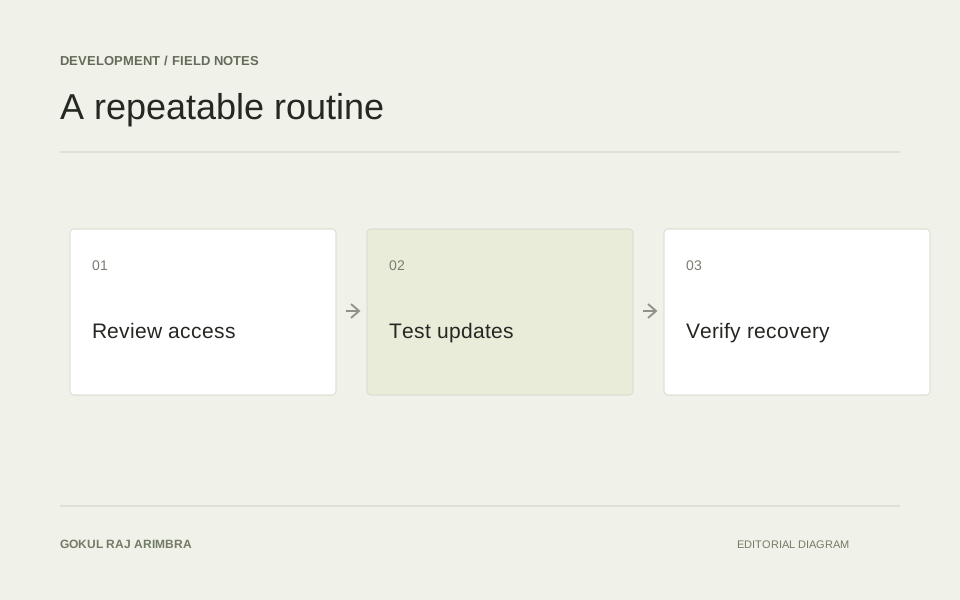
Maintenance works better as a repeatable practice than as a response to a worrying message.
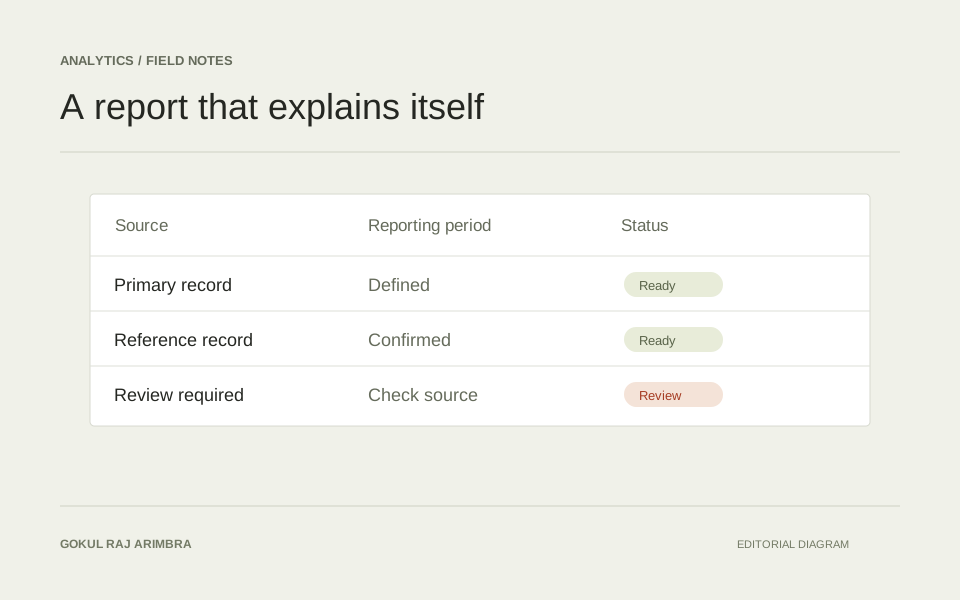
A report is useful when a reader can understand what a row represents and where its information came from.
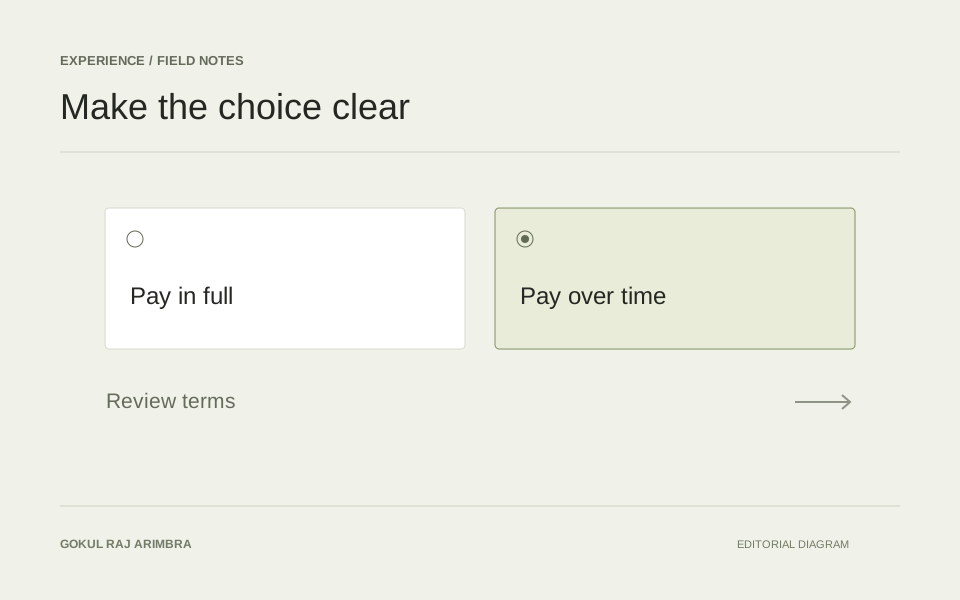
Different payment options add another decision to a checkout.
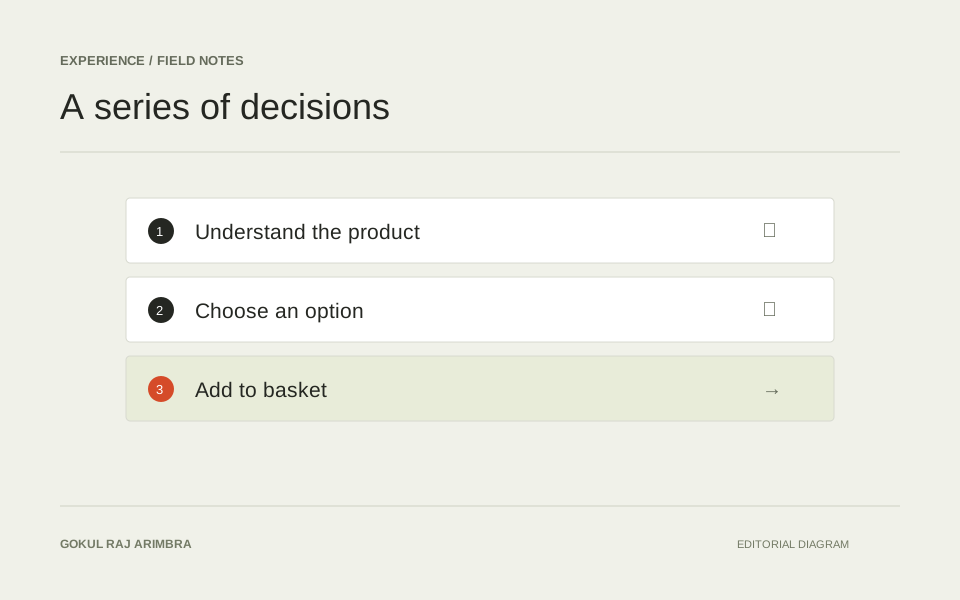
A product page asks a visitor to understand something, decide whether it fits and choose what to do next.
Why useful labels, clear categories and thoughtful empty states belong to the same conversation.
An online store is shaped by many small decisions: how products are named, where information lives and what happens after a visitor chooses an action.
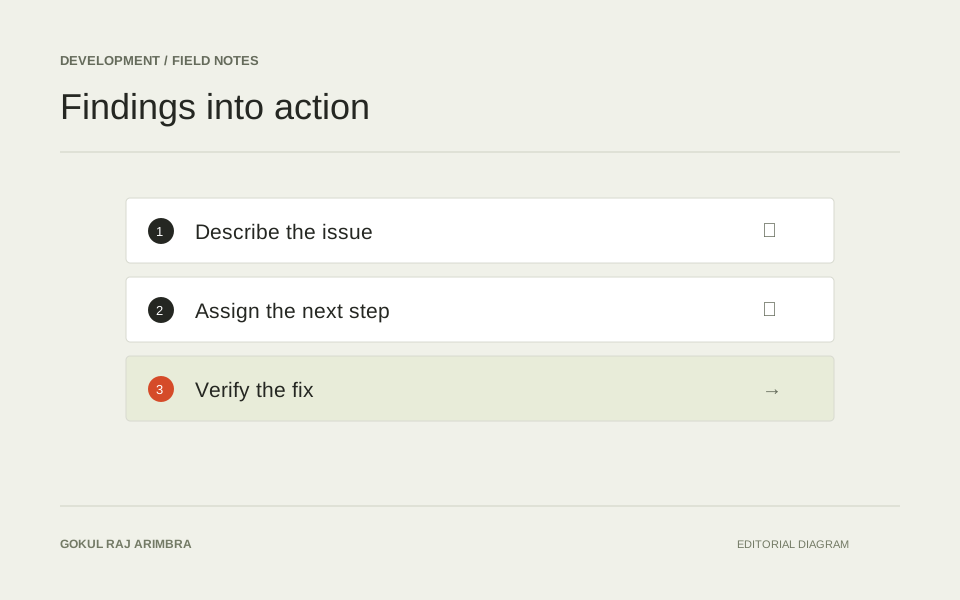
A review creates value when its findings can be understood and acted on.
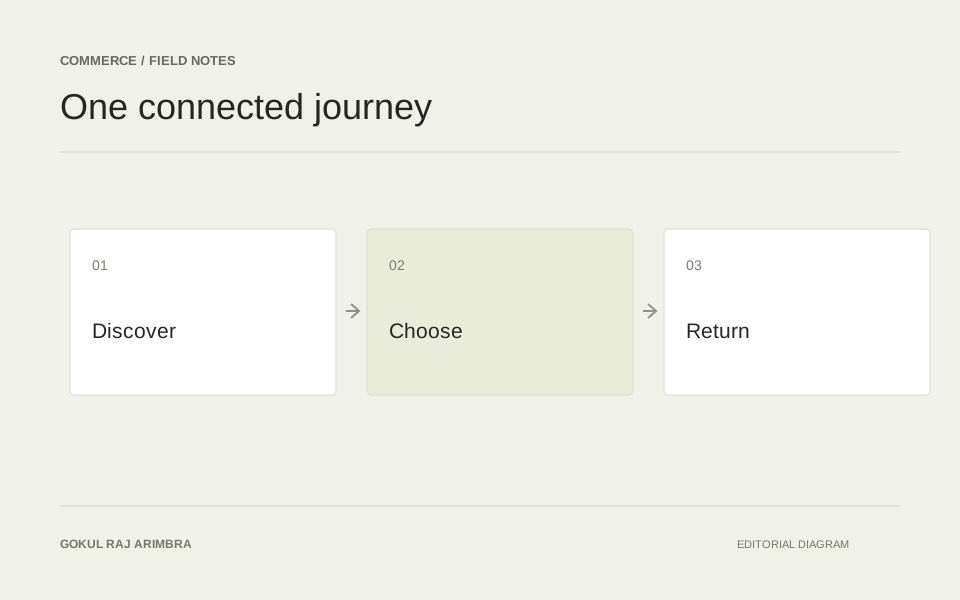
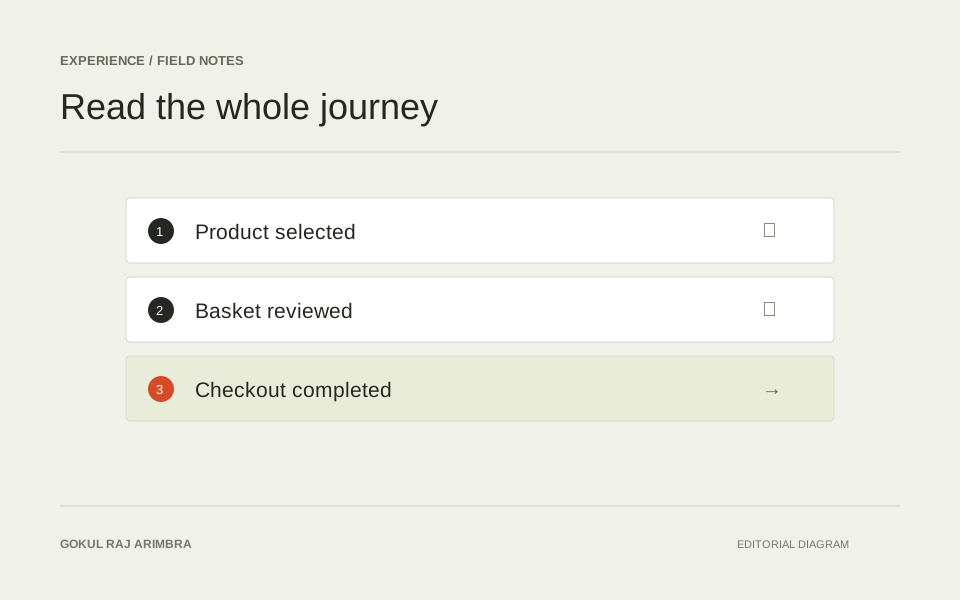
A funnel is a sequence of questions about a journey.
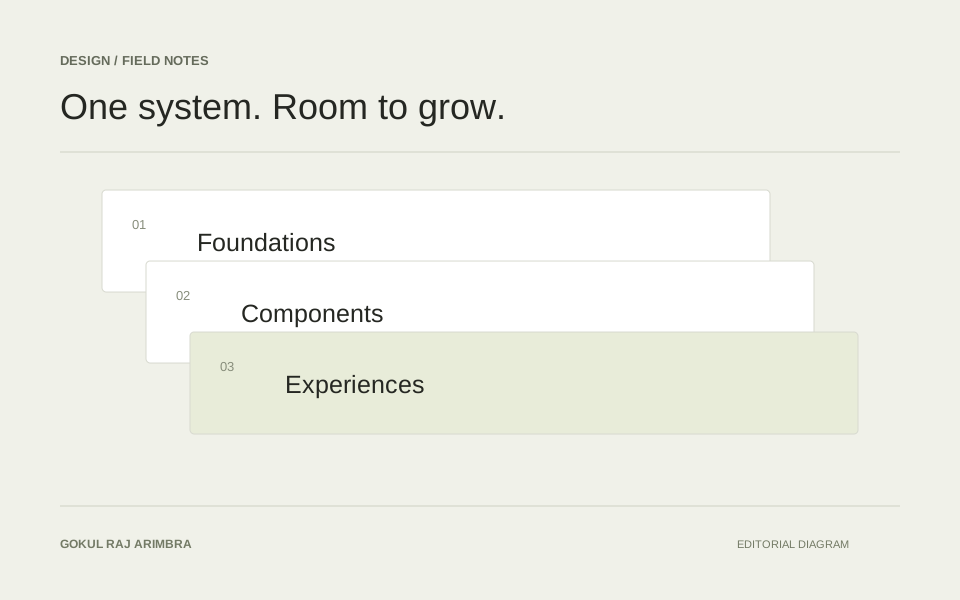
On reusable parts, deliberate boundaries and systems that remain understandable as they grow.
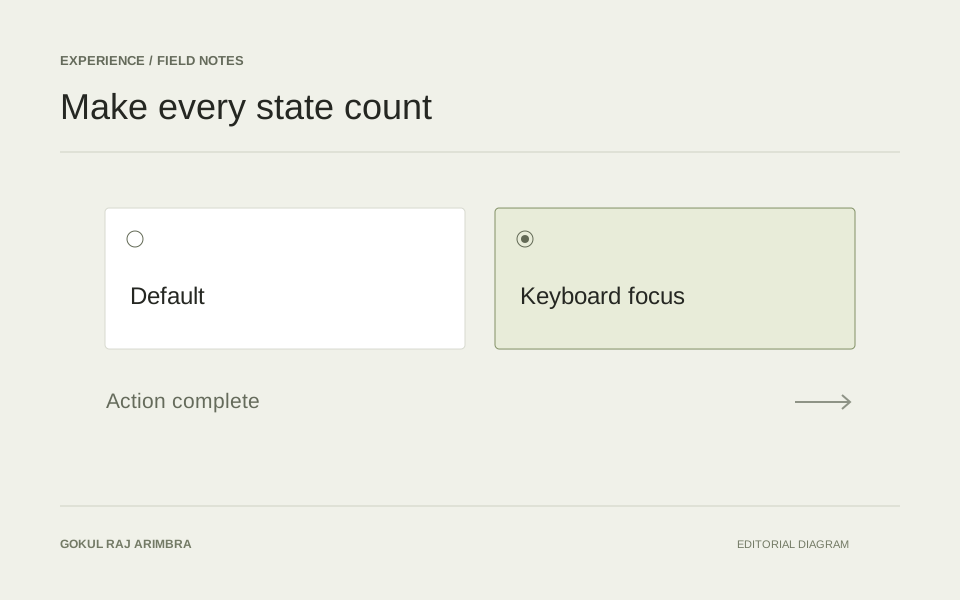
Focus, feedback and motion: small decisions that make a digital experience feel considered.
From an idea to something useful