Marketing / Field note
Draft LinkedIn posts without losing the person behind them
Use AI to organise real notes into a reviewable draft, while keeping experience, evidence and the final publishing decision with the author.
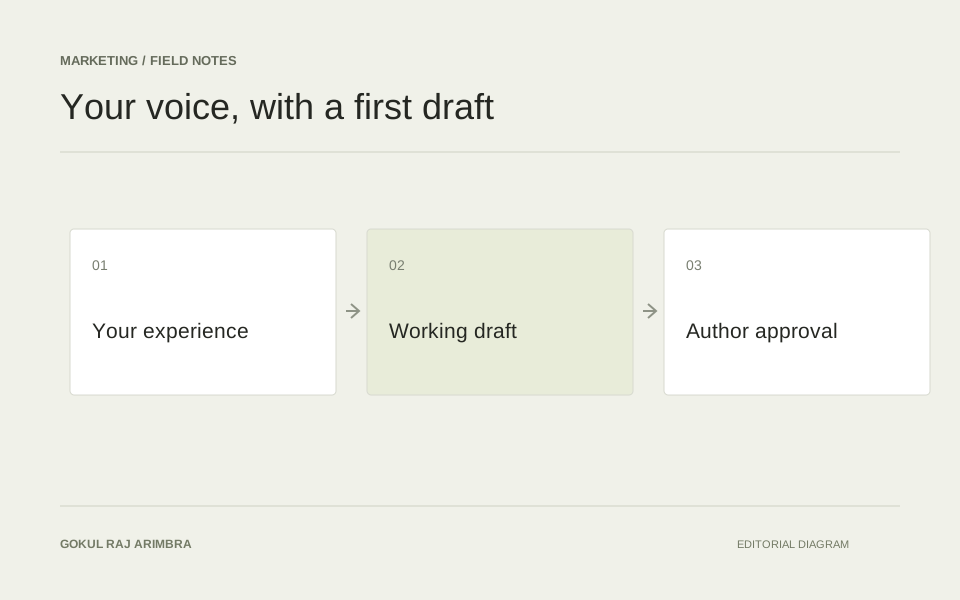
A useful professional post starts with something the author actually knows: a decision, an observation, a question or a piece of work they can explain. AI can help organise those notes, but it cannot supply the lived experience that makes the post worth reading.
The drafting workflow should therefore preserve the author's input and make the proposed changes visible. Its job is to help a person communicate a real idea clearly, with a final review before anything is shared.
Start from notes, not a demand for authority
Collect a few plain sentences about the subject. What happened? What did you notice? What would another person find useful? Include any sources that support factual statements and identify details that should remain private.
For an illustrative web-design post, the notes could explain why a product page's delivery information was moved closer to the purchase controls. The useful idea is the design decision and its reasoning. There is no need to invent a client reaction, a performance uplift or a dramatic project story to make that observation valuable.
Give the drafting assistant a defined task: organise these notes into a short post, preserve their meaning, and flag any statement that needs information the notes do not contain. A request to make the author sound like an industry leader can pull the writing away from the evidence.
Review the opening and the substance separately
An opening line should make the subject clear. It should not promise a lesson the rest of the post cannot deliver. Read the draft once for accuracy and a second time for whether the structure helps the intended audience understand the point.
Ask whether each paragraph contributes an observation, an explanation or a practical takeaway. Remove generic lines that could introduce almost any business topic. They add length without helping the reader understand why this particular experience matters.
If the draft includes an example, make sure it is either a real example the author is authorised to share or clearly labelled as illustrative. That distinction should survive editing.
Keep links and references useful
LinkedIn supports sharing articles or links with a post. When the idea depends on an external source, include the relevant link and explain what the reader will find there. Check the destination before publication rather than trusting the appearance of a generated citation. LinkedIn's guide to sharing articles and links.
A linked article should support the point being made. A broad company homepage is rarely a useful substitute for the actual documentation, announcement or research being discussed.
Make the author the publishing checkpoint
Show the original notes beside the proposed draft. Let the author revise or reject sentences and confirm that the final version sounds like something they would say. Keep a draft clearly marked as a draft until that decision has been made.
Before sharing, check names, dates, links and claims. Read the post aloud if the tone feels unfamiliar. The best outcome is a piece of writing that is easier to follow while remaining recognisably the author's thought. A repeatable drafting workflow should protect that relationship, rather than gradually replacing it with a generic professional voice.